
Intraocular Eye Conditions in Pets
Intraocular diseases involve the internal structures of the eye, such as the iris, ciliary body, lens, and retina, and often require prompt diagnosis and expert veterinary care. At the Veterinary Eye Center, our experienced veterinary ophthalmologists offer comprehensive eye exams and advanced treatment options to help preserve vision, manage discomfort, and maintain long-term eye health in pets.

Glaucoma in Pets
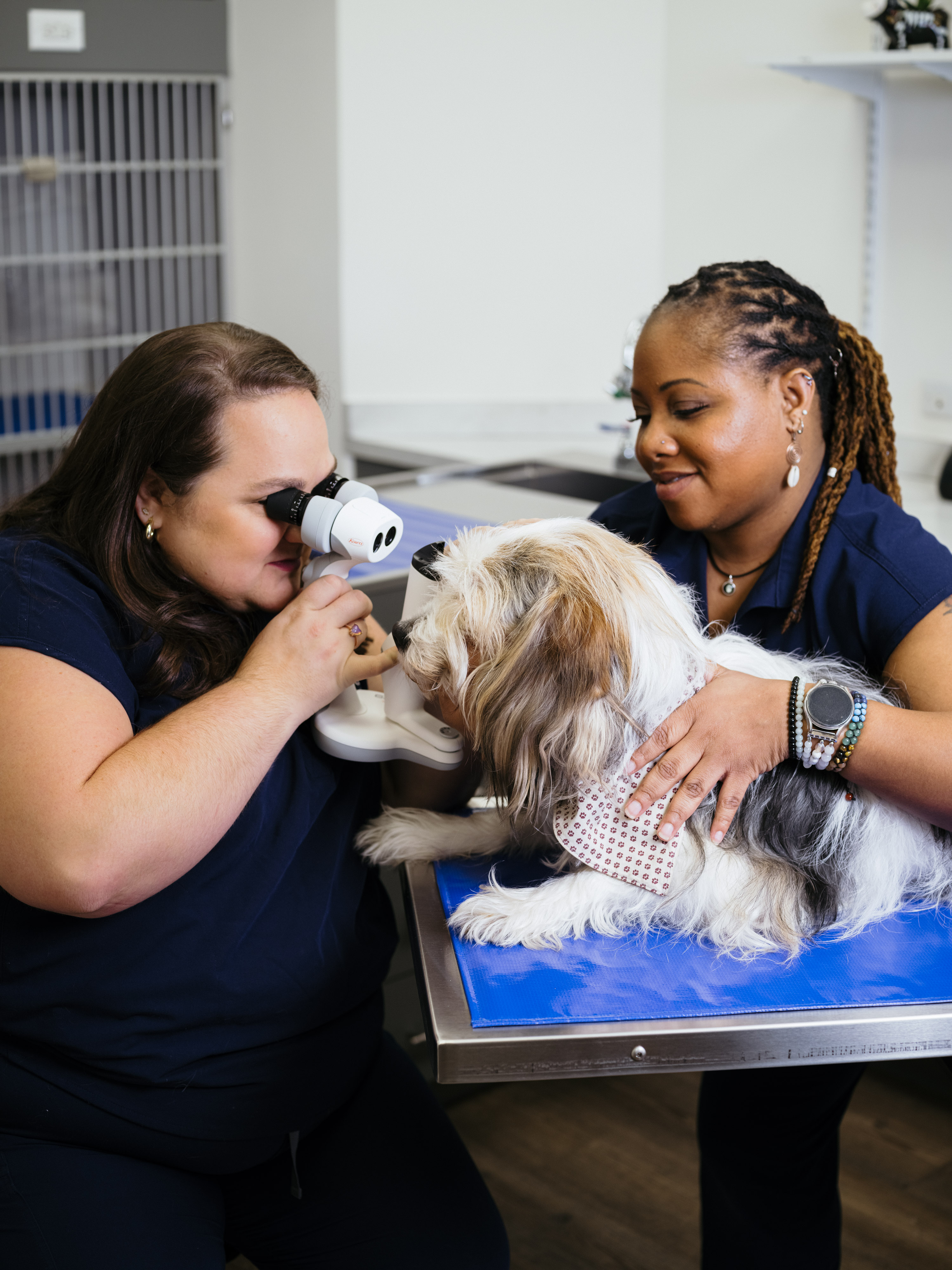
Glaucoma is a serious condition caused by increased intraocular pressure (IOP), which can damage the optic nerve and lead to permanent vision loss if not treated quickly. It often develops suddenly and can be extremely painful. At the Veterinary Eye Center, our glaucoma treatment approach may include:
- Medical management to reduce eye pressure and control intraocular inflammation
- Laser therapy to decrease fluid production in the eye
- Gonioimplantation (surgical placement of a drainage shunt) to improve fluid outflow and maintain long-term pressure control
Iris Masses & Feline Iris Melanoma
Masses or abnormal pigmentation on the iris may be benign or malignant, such as diffuse iris melanoma in cats. These lesions can progress over time and may require close monitoring or treatment depending on their behavior and risk of spread.
At our clinic, we offer several diagnostic and therapeutic options, including:
- Medical monitoring for stable, non-progressive lesions
- Diagnostic biopsy for evaluating suspicious or aggressive growths
- Laser ablation for select early-stage or solitary lesions
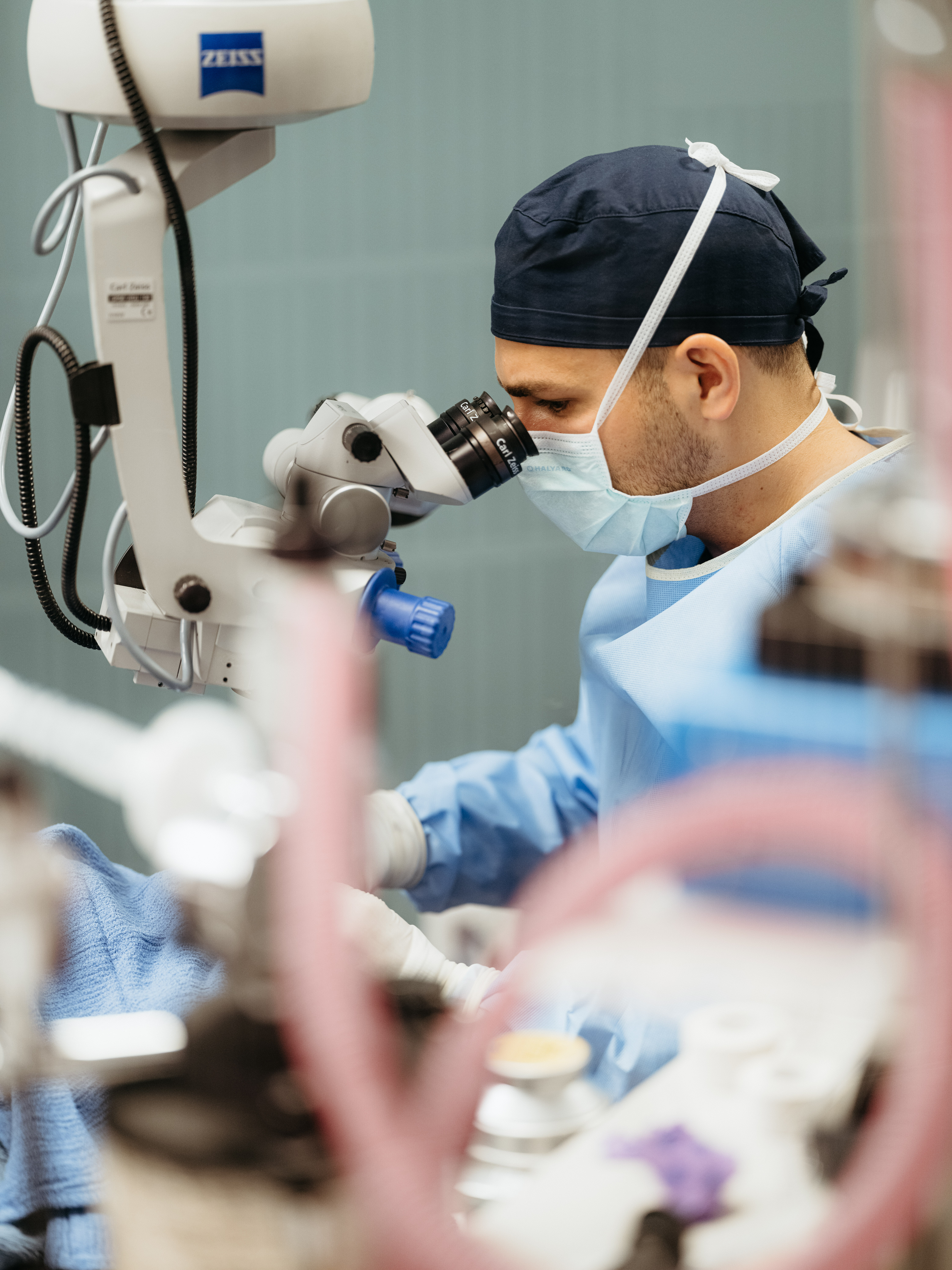
- Surgical treatment such as full eye removal (enucleation), when clinically necessary
We collaborate closely with referring veterinarians and pet owners to determine the safest, most effective course of action based on the lesion’s appearance, progression, and systemic involvement.
.png)
Uveitis in Dogs and Cats
Uveitis is inflammation of the uveal tract (iris, ciliary body, and choroid) and can result in eye pain, redness, cloudiness, and vision loss. If left untreated, it may lead to complications like glaucoma, cataracts, or retinal detachment. Causes may include trauma, infections, immune-mediated conditions, or underlying systemic disease.
Our approach to managing uveitis includes:
- Identifying the root cause through advanced diagnostics and lab testing
- Controlling inflammation with topical and systemic medications tailored to your pet’s condition
- Monitoring for complications such as glaucoma or retinal damage
- Long-term management plans customized for each pet’s unique needs
Early detection and consistent follow-up are key to managing uveitis and protecting your pet’s vision.